

Gone are the days of being stuck between vegetable oil and olive oil for us vegetable-loving folk.
When it comes to vegan cooking, selecting the right oil can greatly impact the flavour, nutrition, and overall success of your dishes. With so many options available, you may wonder: What is the best vegan oil for your recipes? Whether you’re sautéing vegetables, creating salad dressings, or whipping up a delicious vegan dessert, the right oil can make all the difference. Let’s explore the most popular cooking oils, how to choose the best one for your needs, and how Plant Pantry Culinary Academy can guide you through this flavourful fry-up! Now don’t get too excited! Oil is not a whole-food and while it does have some benefits, over using extracted oils (especially when heated) is not going to improve your health. If you are looking to supplement your diet with healthy fats, first think – avocados, nuts, olives. These nutrients come to you in their whole state without being processed.
Extra Virgin Olive Oil
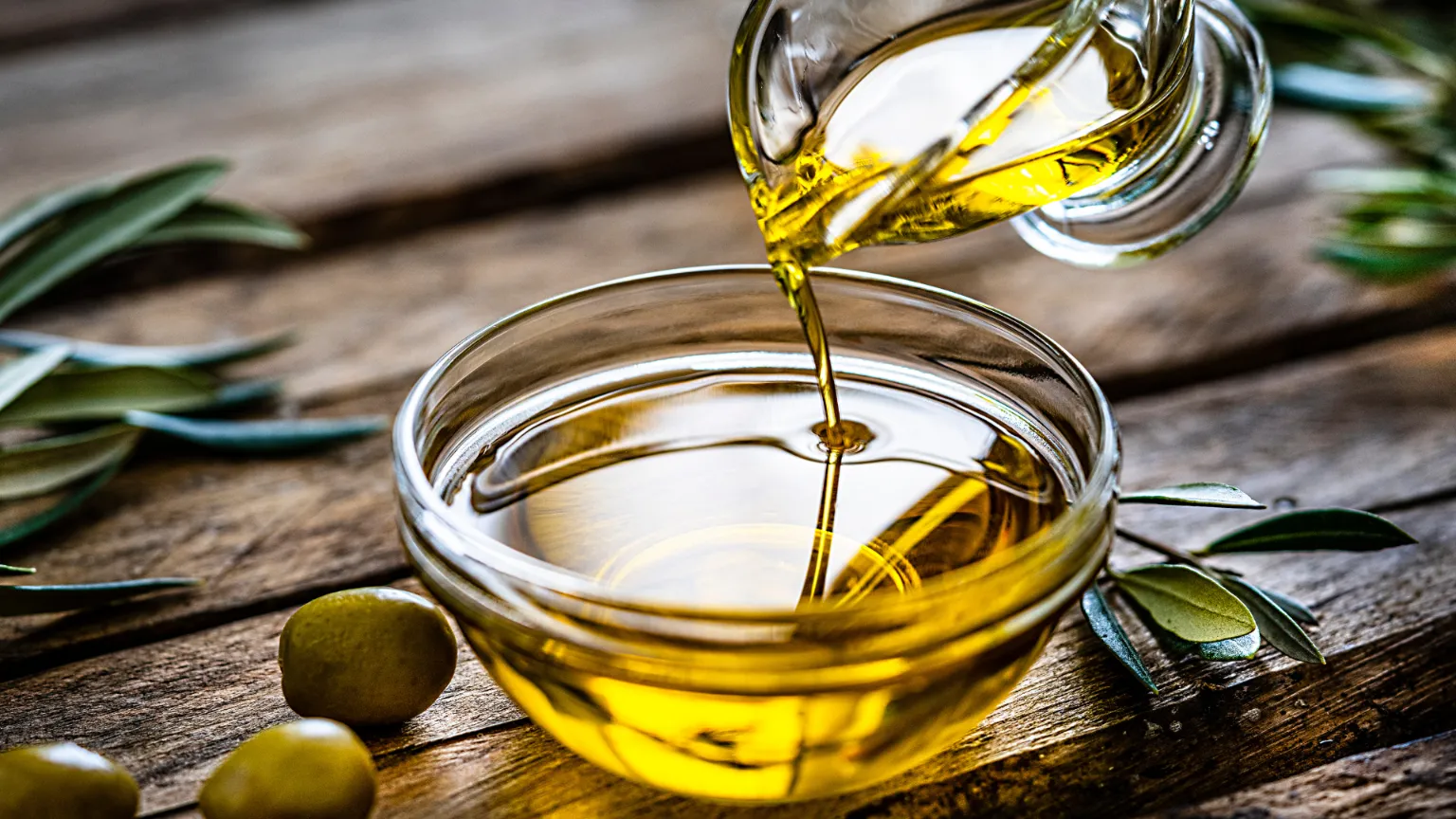
Extra virgin olive oil is a classic choice in kitchens around the world for good reason. Not only does it offer a rich, robust flavour that amplifies salads and Mediterranean dishes, but it’s also packed with healthy fats. With a high content of monounsaturated fats and antioxidants, extra virgin olive oil supports heart health and has anti-inflammatory properties.
Origin
- Derived from pressing olives from the olive tree, predominantly grown in Mediterranean countries.
Fat Composition
- High in monounsaturated fats, particularly oleic acid, and contains antioxidants like vitamin E.
Flavour and Uses
- Offers a robust and fruity flavour; ideal for drizzling over salads, vegetable roasting, and low- to medium-heat sautéing.
Health Benefits
- Supports heart health, reduces inflammation, and contains beneficial antioxidants.
Best For
- Drizzling over salads, making dressings, and sautéing at low to medium temperatures (up to about 375°F). It’s great for Mediterranean dishes or finishing touches on roasted vegetables.
Coconut Oil
Coconut oil has gained popularity among home cooks for its unique flavour and versatility. This oil is solid at room temperature and is often used in vegan baking and cooking. It contains saturated fats, but the majority are medium-chain triglycerides (MCTs), which may have healthy benefits, including potential fat-burning properties.

Origin
- Extracted from the meat of mature coconuts harvested from the coconut palm tree.
Fat Composition
- Contains about 90% saturated fat, primarily in the form of medium-chain triglycerides (MCTs).
Flavour and Uses
- Rich, tropical flavour; suitable for baking, frying, and adding to smoothies or curries.
Health Benefits
- May boost energy levels, support weight loss, and have anti-fungal and antibacterial properties.
Best For
- Baking, frying, and sautéing at medium to high temperatures (up to about 350°F). Use it in vegan desserts, curries, or adding a hint of tropical flavour to your favourite dishes!
Avocado Oil
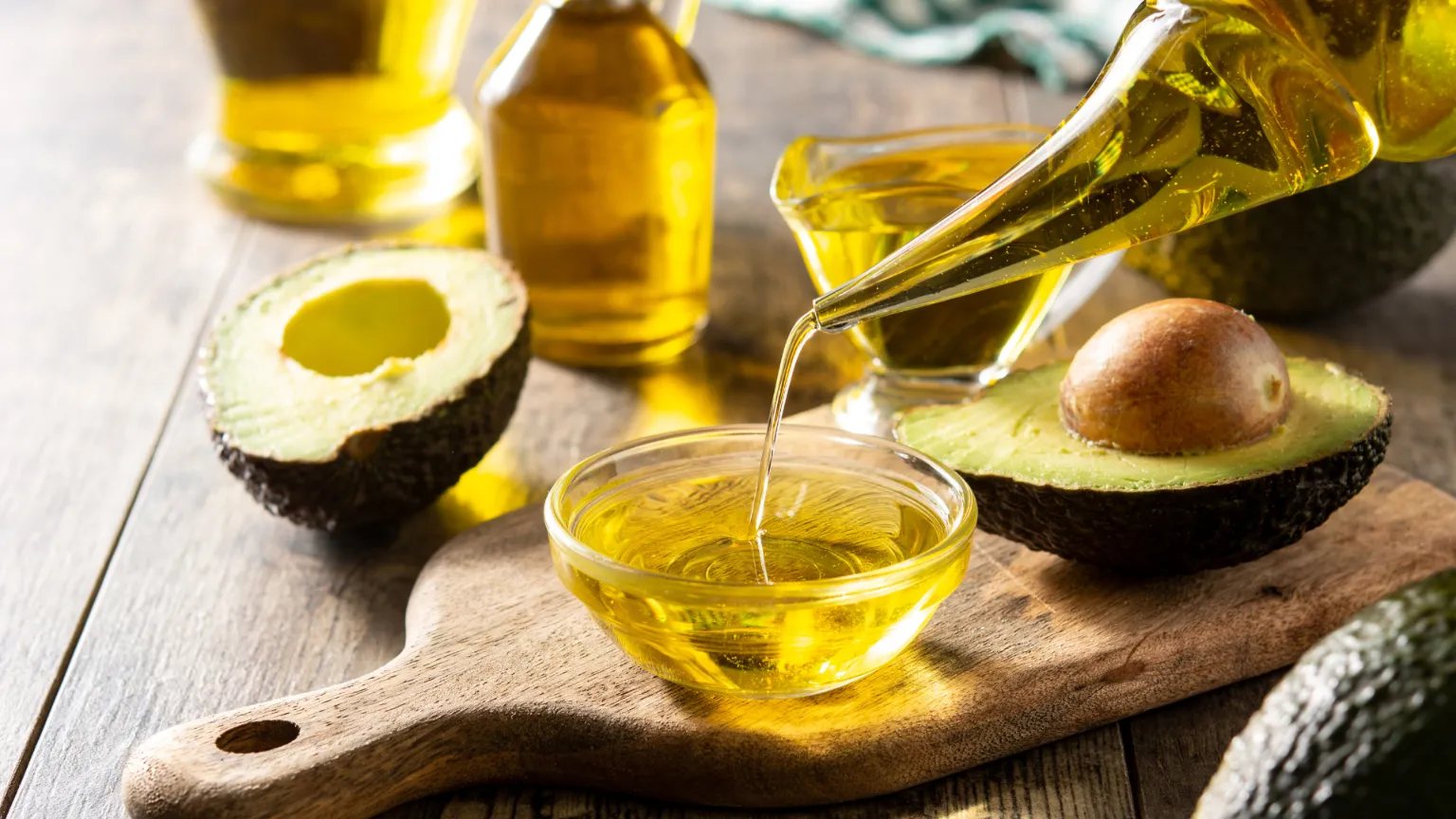
Avocado oil is a health-conscious choice packed with benefits. It’s rich in monounsaturated fats and vitamin E, promoting heart health and nourishing your skin. Its mild flavour allows it to shine in salad dressings or drizzled over roasted vegetables.
Origin
- Pressed from the flesh of avocados, primarily grown in Mexico and California.
Fat Composition
- High in monounsaturated fats, particularly oleic acid, and contains vitamins E and K.
Flavour and Uses
- Mild flavour; ideal for high-heat cooking, roasting, frying, and salad dressings.
Health Benefits
- May improve heart health, promote skin health, and aid in nutrient absorption.
Best For
- High-heat cooking methods, including frying, roasting, and grilling (smoke point around 500°F). It can also be used in salad dressings or for finishing dishes.
Organic Canola Oil (Rapeseed Oil)
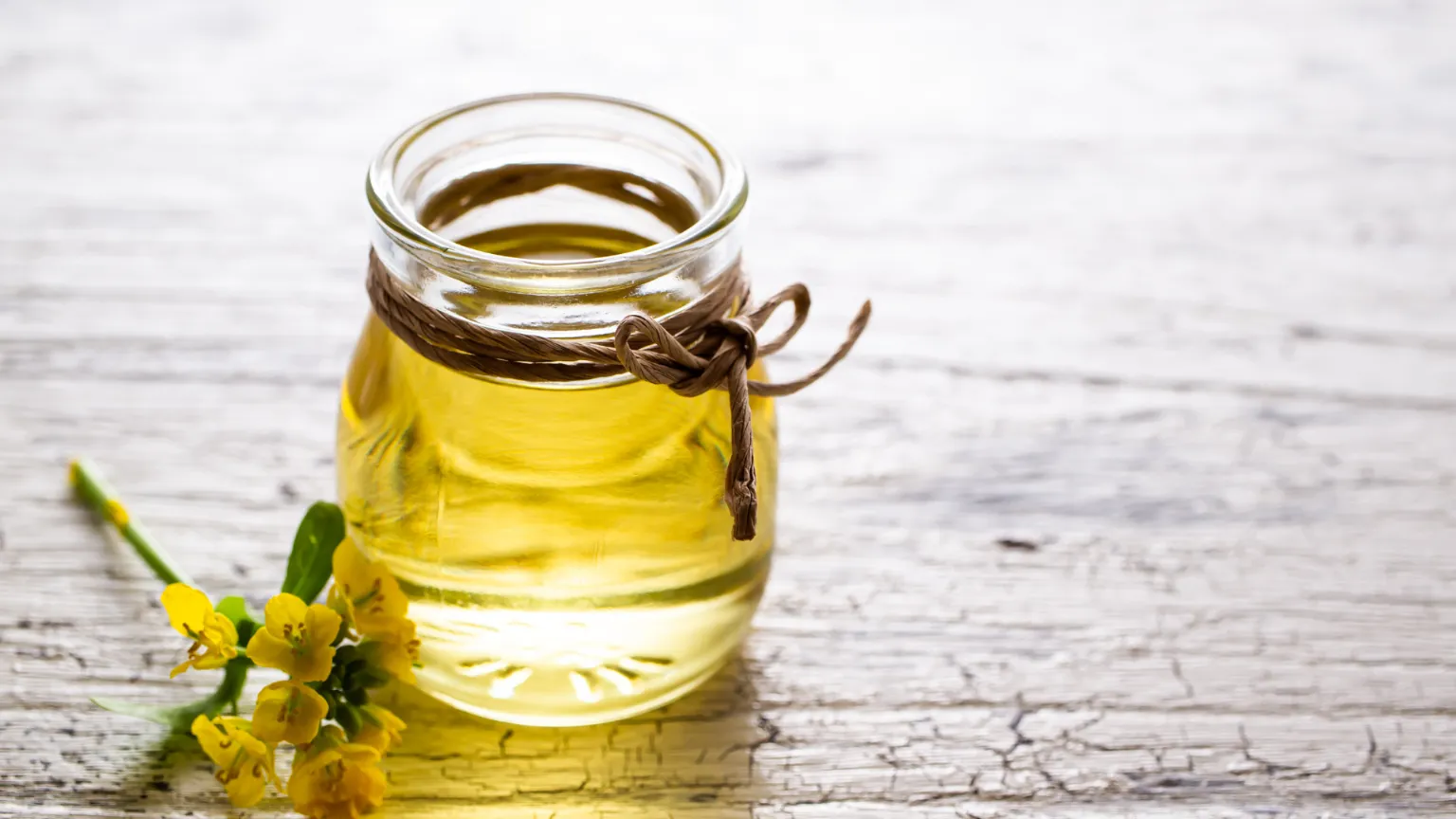
Canola oil is a common staple in many kitchens, known for its neutral flavour and high smoke point. Canola oil is preferable because it is heart-healthy due to its high omega-3 fatty acid content and low saturated fat content.
Origin
- Canola oil is derived from the seeds of the rapeseed plant (Brassica napus), a member of the mustard family. Canola oil was developed through selective breeding to have lower levels of erucic acid, making it more suitable for consumption.
Fat Composition
- Low in saturated fats and high in both monounsaturated and polyunsaturated fats, canola oil includes beneficial omega-3 fatty acids that are good for heart health.
Flavour and Uses
- Canola oil has a neutral flavour, making it a versatile choice for various cooking methods, including baking, frying, and sautéing at high temperatures (up to about 400°F). Its mild taste and high smoke point make it suitable for a wide range of culinary applications.
Health Benefits
- Canola oil is known for its heart-healthy properties. It may help lower bad cholesterol levels while raising good cholesterol levels, contributing to overall cardiovascular health.
Best For
- General-purpose cooking, including baking, frying, and sautéing at high temperatures (up to 400°F). It works well in baked goods, marinades, and stir-fries.
Seed Oils and Nut Oils
Seed Oils
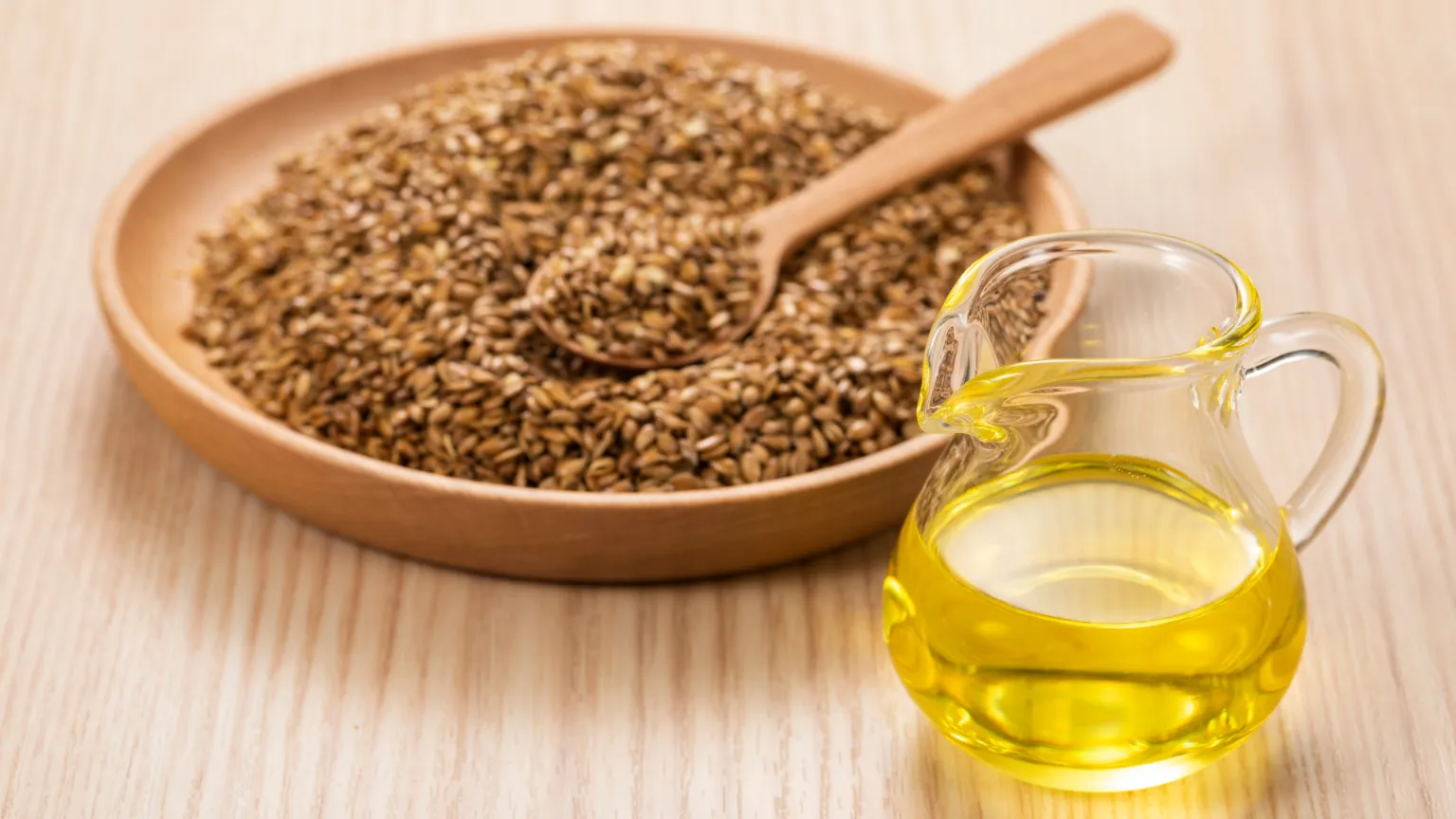
Seed oils, such as sesame and flaxseed oil, play important roles in specific cuisines and can add distinctive flavours to your dishes.
Sesame Oil
Origin
- Pressed from sesame seeds, commonly used in Asian cooking.
Fat Composition
- Contains a balanced ratio of monounsaturated and polyunsaturated fats.
Flavour and Uses
- Strong, nutty flavour; used for stir-frying, salad dressings, and as a finishing oil.
Health Benefits
- Rich in antioxidants, it may help lower cholesterol and improve heart health.
Flaxseed Oil
Origin
- Extracted from flax seeds, often used as a dietary supplement.
Fat Composition
- High in omega-3 fatty acids, particularly alpha-linolenic acid (ALA).
Flavour and Uses:
- Nutty flavour; best used in salad dressings or drizzled over dishes (not suitable for cooking).
Health Benefits
- Supports heart health and may reduce inflammation.
Nut Oils
Nut oils, such as almond or walnut oil, bring richness and depth to your recipes.
Best For
- Drizzling over salads or using in dressings (should not be heated). Nut oils are a great way to amp up the flavour of grain salads and baked goods.
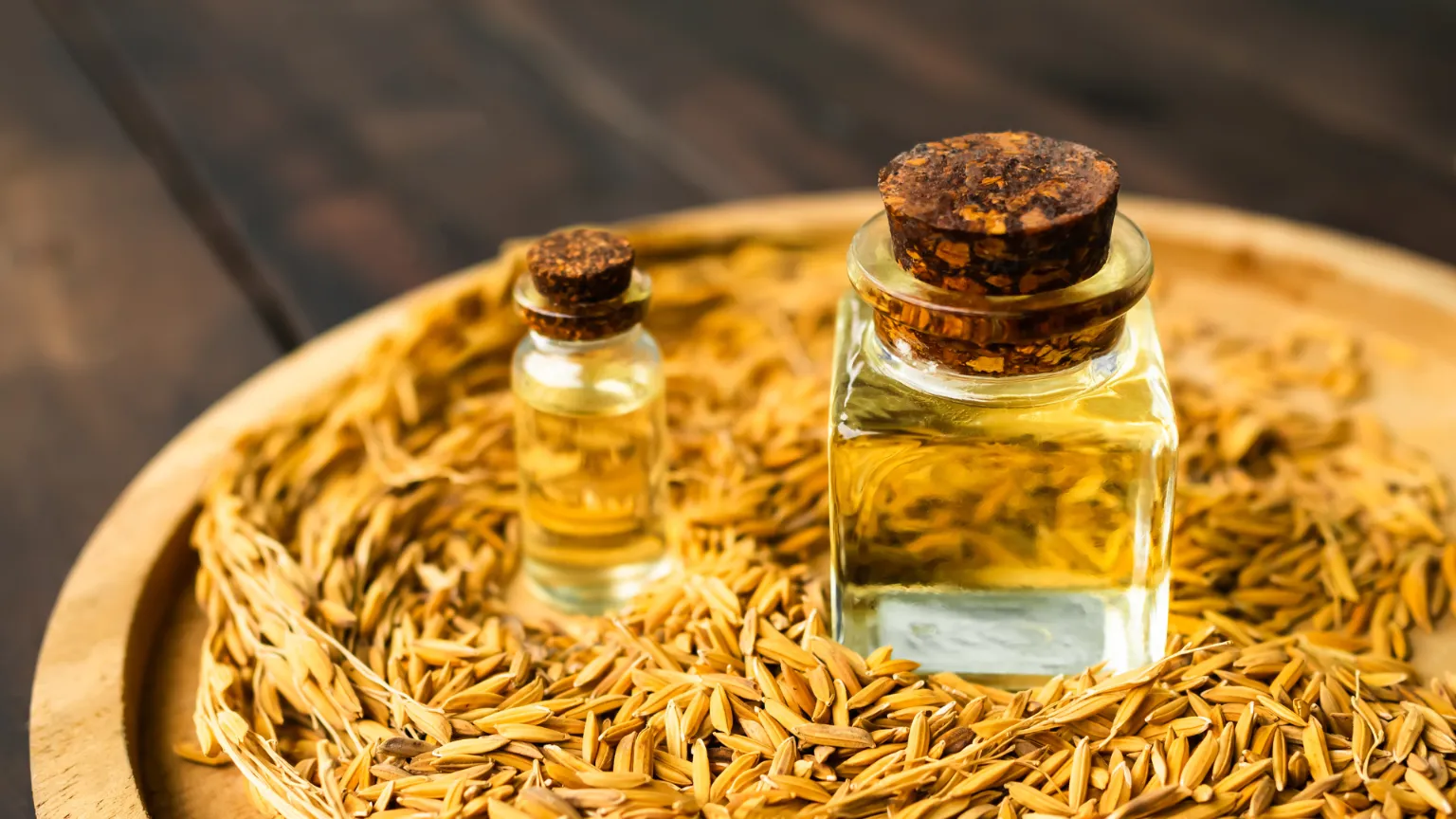
Rice Bran Oil
Rice bran oil offers a mild flavour with a high smoke point, making it a versatile option in the kitchen. It is also rich in antioxidants and vitamin E.
Origin
- Extracted from the outer layer of rice grains, commonly produced in Asia.
Fat Composition
- Contains a balanced mix of saturated, monounsaturated, and polyunsaturated fats, including oryzanol.
Flavour and Uses
- Mild flavour; well-suited for high-heat frying, sautéing, and Asian cuisine.
Health Benefits
- May help lower cholesterol levels and is rich in antioxidants.
Best For
- High-heat frying and sautéing (smoke point around 450°F). It works well in deep frying, stir-fries, and many Asian dishes.
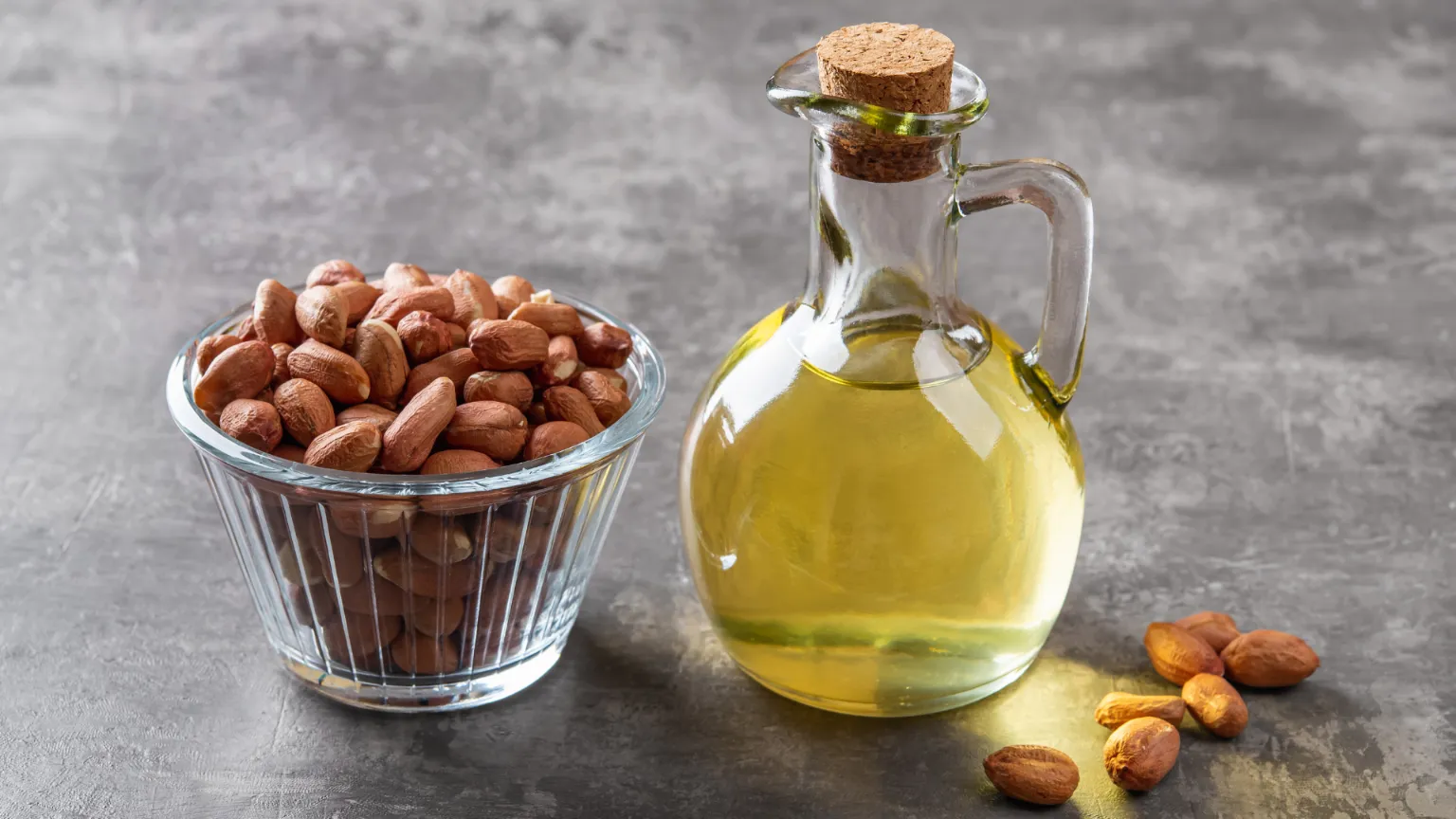
Peanut Oil
Peanut oil is renowned for its high smoke point and ability to withstand high temperatures. It is also rich in monounsaturated fats.
Origin
- Extracted from peanuts, commonly used in Asian and Southern cooking.
Fat Composition
- High in monounsaturated fats and polyunsaturated fats, with a moderate amount of saturated fat.
Flavour and Uses
- Slightly nutty flavour; ideal for frying and high-heat cooking (smoke point around 450°F).
Health Benefits
- Rich in antioxidants and may support heart health when used in moderation.
Best For
- High-heat cooking methods, such as frying and sautéing (smoke point around 450°F). It is perfect for stir-fries and deep-frying tofu.
Palm Oil (Note: Consider Sustainability)
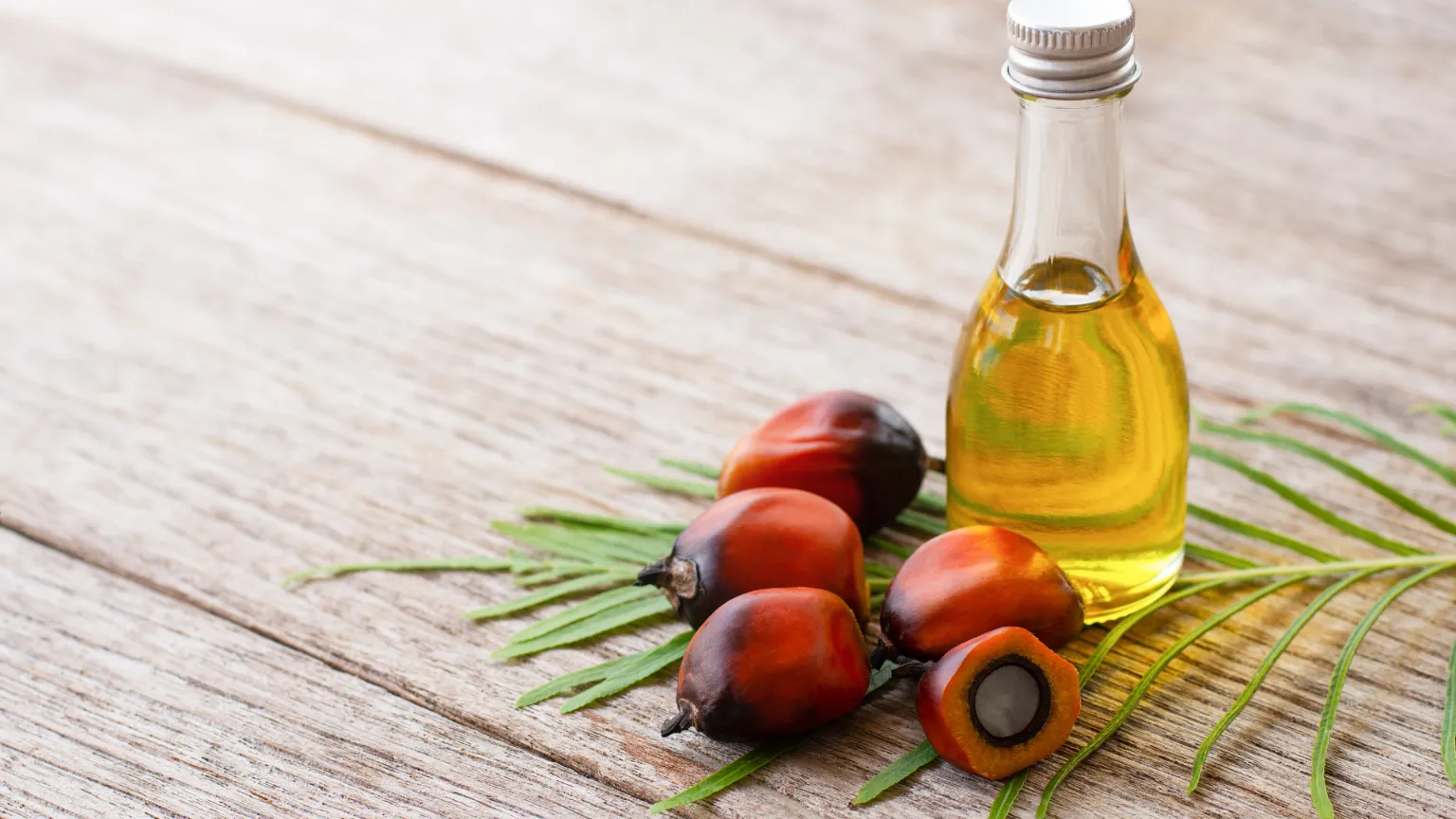
While palm oil has a stable composition and is solid at room temperature, it’s essential to consider the sustainability of your sourcing.
Origin
- Extracted from the fruit of oil palms, primarily produced in tropical regions of Southeast Asia.
Fat Composition
- High in saturated fats but also contains monounsaturated fats.
Flavour and Uses
- Neutral to slightly sweet flavour; used in frying, baking, and processed foods.
Health Benefits
- Contains beneficial nutrients, such as vitamin E, but concerns exist regarding sustainability.
Best For
- Baking and frying, particularly in recipes that require rich flavours, but be mindful of its environmental impact.
Sauces and Dressings
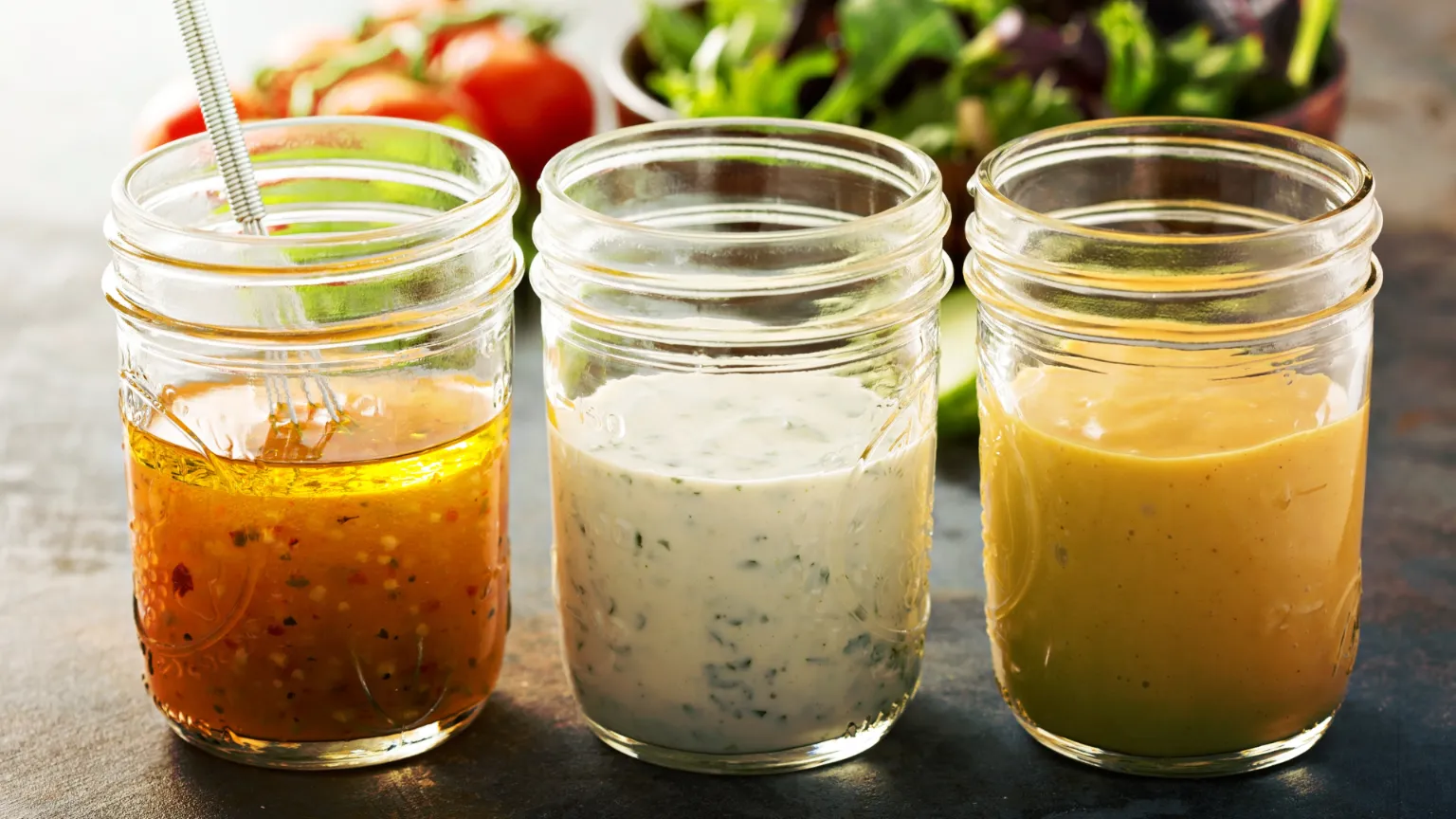
When making sauces and dressings, the oil you choose can significantly impact the overall flavour. Extra virgin olive oil and avocado oil are both excellent options for vinaigrettes and drizzling over finished dishes. Consider blending different oils to achieve your desired taste and nutritional profile.
For example, a combination of extra virgin olive oil with walnut oil can create a delightful dressing that is rich in flavour and nutritional benefits. Similarly, using grape seed oil in your dressings adds a subtle flavor while incorporating healthy fats. Experimenting with various oils will help you discover unique flavour pairings to boost your plant-based meals.
Pour, Drizzle, and Sauté: Choose the Perfect Vegan Oil for Every Dish
Choosing the right cooking oil is essential for anyone diving into the world of vegan cooking. With a wide variety of vegetable oils, coconut oil, and olive oils at your fingertips, you can tailor each dish to match its intended flavours and textures.
Vegetable oils like canola and sunflower provide versatility and a neutral taste, making them perfect for everyday cooking. Meanwhile, coconut oil brings a delightful tropical flair and is ideal for baking and stir-frying. Don’t forget about the rich, robust flavour of extra virgin olive oil, which can spruce up your salads and dressings while also offering benefits for your health.
With this guide, you’re now equipped to make informed choices about the oils you select for your recipes. Champion the diverse flavours and overall benefits that these oils provide, and watch as they transform your dishes into delicious and nourishing meals. Happy cooking!